

The release of Spider-Man: Brand New Day has once again proven just how popular Spider-Man remains with movie audiences. The latest Tom Holland film opened on July 31, 2026, earning a record-breaking $360 million in North America and an astounding $932 million worldwide during its opening weekend.
Whenever a new Marvel movie arrives, though, I find myself thinking about the comic-book stories that came before it. Sometimes the movies borrow heavily from those stories. Other times, they take familiar characters, titles and ideas in completely different directions. Spider-Man: Brand New Day is especially interesting because Marvel Comics already gave Peter Parker a “Brand New Day” nearly twenty years ago.
So how did the Spider-Man of the comics get there?
We can’t begin with Brand New Day. We can’t even begin with the story immediately preceding it, One More Day. We have to go farther back, to one of the biggest Marvel crossover events of the 2000s: Civil War.
Now I can almost hear the Marvel movie fans saying, “Civil War? Oh, I know that story.”
Are you sure about that?
Because if you’re waiting for Tony Stark to fly to Queens and recruit a teenage Peter Parker, we’re already in trouble.
In the comics, Peter was already an experienced superhero, a member of the New Avengers and a close ally of Tony Stark when Civil War began. More importantly, he didn’t remain on the same side. Peter began the conflict alongside Iron Man, supported superhero registration and eventually revealed his secret identity to the world. But as the conflict escalated, he began questioning both registration and Tony’s methods.
Eventually, Spider-Man switched sides and joined Captain America.
Why did Peter join Iron Man in the first place? What caused him to change his mind? And what did that decision ultimately cost Peter and the people he loved?
One of the most consequential moments in Peter Parker’s life came when Spider-Man stood before television cameras, removed his mask and told the world:
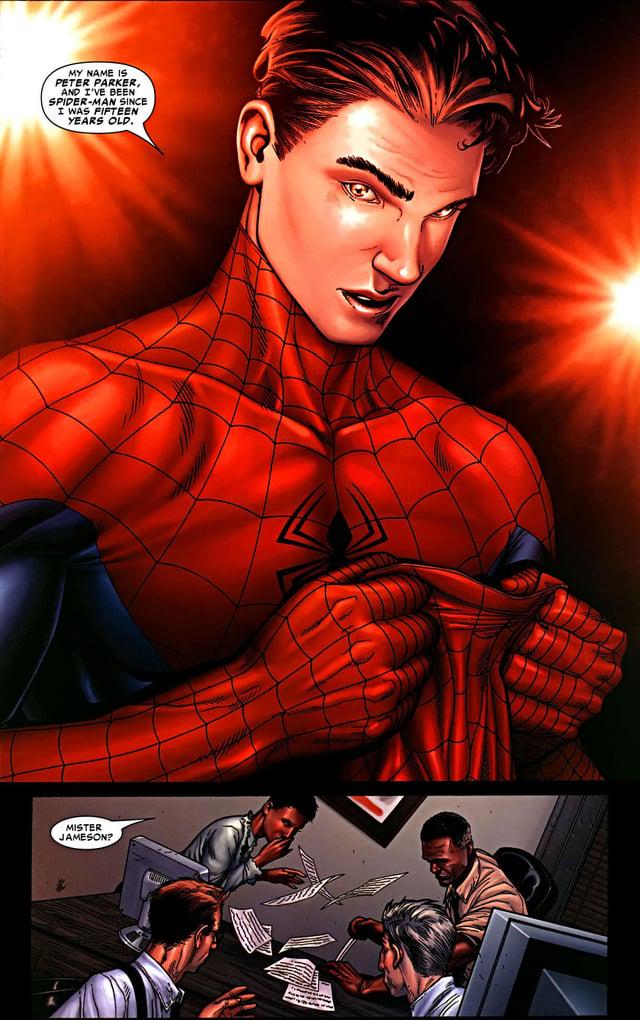
“My name is Peter Parker, and I’ve been Spider-Man since I was 15 years old.”
The reaction at the Daily Bugle provided one of the funniest moments in an otherwise very serious story. J. Jonah Jameson had spent years trying to uncover Spider-Man’s identity. When Peter finally announced it to the world, Jonah fainted behind his desk.
It was funny, but the implications of Peter’s decision were anything but. Peter had spent years hiding his identity largely because he feared what could happen to the people he loved if his enemies ever discovered who was underneath the mask.
Now he had told everyone.
And before Civil War was over, Peter would have very good reasons to wonder whether he had made a terrible mistake.
Why Did Spider-Man Join Iron Man in Civil War?
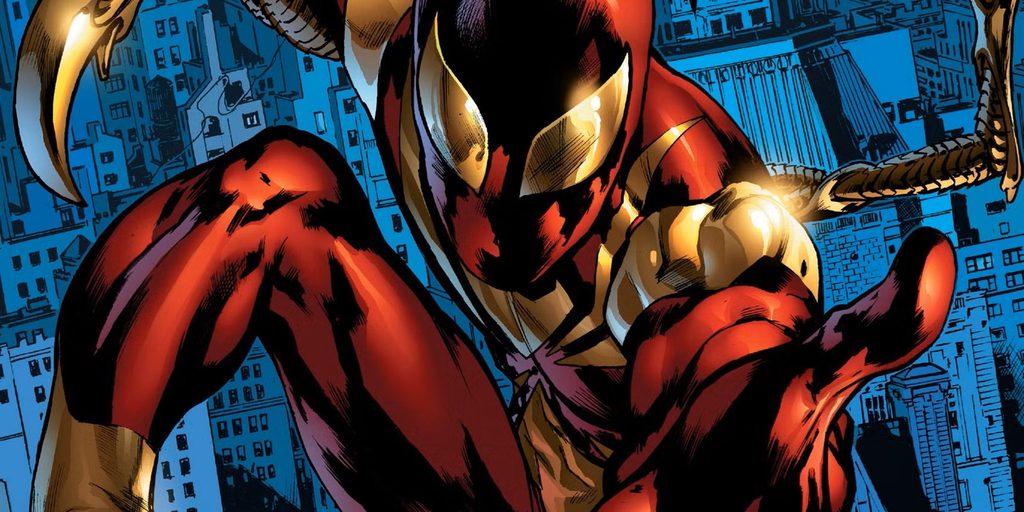
When Peter Parker sided with Iron Man at the beginning of Civil War, he wasn’t simply choosing one superhero over another. By that point, Tony Stark had become one of the most important people in Peter’s life.
Peter had joined the New Avengers, bringing him into much closer contact with both Tony Stark and Steve Rogers. Peter, Mary Jane and Aunt May were also living in Avengers Tower, putting Peter and his family quite literally under Tony’s roof.
This wasn’t the teenage Spider-Man of the MCU being approached out of nowhere by a billionaire superhero. Tony was Peter’s teammate, benefactor and increasingly his mentor.
That relationship became even stronger in The Amazing Spider-Man #529 (April 2006), written by J. Michael Straczynski with pencils by Ron Garney. The issue began the three-part “Mr. Parker Goes to Washington” storyline, part of Marvel’s Road to Civil War. Tony gave Peter the technologically advanced red-and-gold costume that became known as the Iron Spider armor and asked Peter to become his protégé. Peter accepted.
Tony also knew that the government was considering legislation requiring superheroes to register, and he believed some form of registration was inevitable. After Peter agreed to follow Tony’s lead, Tony took him to Washington, D.C., where the proposed Superhuman Registration Act was being debated.
Peter wasn’t immediately sold on registration. What if superheroes were required to reveal their identities to the government and that information fell into the wrong hands? For Peter Parker, that wasn’t an abstract concern. Protecting his identity had always been one of the ways he protected Aunt May and Mary Jane.
Tony reassured him that the government could protect that information. He also presented himself as someone trying to get ahead of a political movement that was coming whether superheroes liked it or not.
Peter even testified before the Senate in The Amazing Spider-Man #531 (June 2006), although he did so without revealing his identity. He could see an argument for registration and regulation, but he was already uncomfortable with where that road might lead.
And then there’s one little detail Peter didn’t know.
During the Washington storyline, Titanium Man attacked Tony, giving Spider-Man an opportunity to intervene. Only afterward does the reader learn that Tony had secretly arranged the attack and paid Titanium Man. Peter thought he was standing beside a man he could trust. He had no idea Tony was already manipulating events behind the scenes.
Peter wouldn’t discover that deception during Civil War, but as readers, we know something he doesn’t. The relationship between Peter and Tony isn’t quite what Peter thinks it is.
Then came Stamford.
The debate over superhero registration was about to stop being theoretical.
Stamford Changes Everything
Until Stamford, the Superhuman Registration Act was still a political debate. Tony Stark believed some form of registration was coming and wanted superheroes to have a voice in shaping it. Peter had concerns, particularly about secret identities, but there was still room to debate what registration might actually look like.
Then the New Warriors went looking for villains in Stamford, Connecticut.
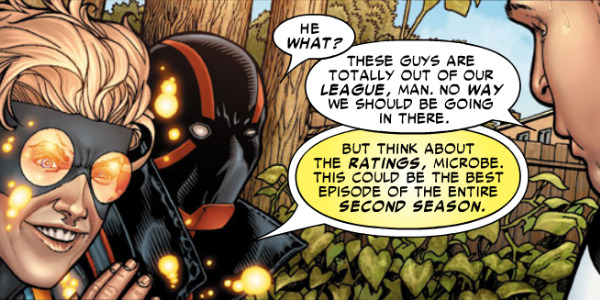
In Civil War #1 (July 2006), written by Mark Millar with art by Steve McNiven, the New Warriors were filming a reality television show when they confronted several escaped supervillains. The fight quickly got out of control. One of those villains was Nitro, whose power allowed him to explode and then reform his body.
When Namorita attacked him, Nitro unleashed an enormous explosion that devastated the surrounding neighborhood and killed hundreds of people, including children at a nearby elementary school.
Suddenly, the argument over superhero registration had grieving families and television images attached to it. The New Warriors were blamed for starting the confrontation, and public anger quickly spread to other superheroes. Johnny Storm of the Fantastic Four discovered just how ugly that anger had become when a crowd outside a nightclub recognized him and beat him so badly that he was hospitalized.
For Tony Stark, Stamford seemed to confirm what he had already feared. If superheroes didn’t accept some form of accountability, the government—and an angry public—would impose it on them.
Steve Rogers saw things differently. When S.H.I.E.L.D. asked Captain America to help hunt down heroes who refused to register, Steve wouldn’t do it. He believed superheroes needed the freedom to act according to their own judgment rather than becoming agents of the government. His refusal quickly put him on the opposite side of the law.
The sides in Marvel’s Civil War were beginning to form.
And Peter Parker was standing with Tony Stark.
Soon Tony would ask him to prove just how strongly he believed he was on the right side.
Should Spider-Man Reveal His Secret Identity?
Peter Parker had agreed to support Tony Stark and the Superhuman Registration Act. But supporting registration was one thing. Tony was about to ask Peter to do something that would have been almost unthinkable throughout most of Spider-Man’s history.
He wanted Peter to take off his mask in front of the entire world.
Think about that for a moment. Peter had been Spider-Man since he was fifteen years old. How many times had he gone to extraordinary lengths to keep anyone from discovering who was underneath that mask? And there was a very good reason for all that secrecy. If his enemies discovered his identity, they wouldn’t necessarily come after Spider-Man. They could come after Aunt May or Mary Jane.
Peter already knew how horribly wrong that could go. Years earlier, the Green Goblin had discovered his identity and used someone Peter loved against him, leading to one of the most tragic moments in Spider-Man’s history: the night Gwen Stacy died.
In Amazing Spider-Man #532 (July 2006), written by J. Michael Straczynski with art by Ron Garney, Tony took Peter to see the devastation at Stamford. Peter saw firsthand what had happened when a group of superheroes lost control of a situation. Hundreds of people were dead, including children. He couldn’t simply dismiss the argument for registration after seeing that.
Tony wanted him to go much further. If Spider-Man truly believed superheroes should be held accountable for their actions, Tony wanted Peter to demonstrate that belief publicly. Peter Parker could become the face of superhero registration by revealing his identity.
Peter’s response wasn’t exactly, “Sounds good, Tony. Where’s the press conference?”
He went home and talked to Mary Jane and Aunt May.
Now, if you haven’t followed Spider-Man’s comic-book history closely, you might be wondering why Peter would discuss his secret identity with Aunt May. Hadn’t he spent most of his life trying to keep her from discovering that he was Spider-Man?
Yes, he had. But May already knew.
Several years earlier, Aunt May had discovered Peter’s bloody Spider-Man costume after one of his battles. That eventually led to Amazing Spider-Man Vol. 2 #38 (February 2002), written by Straczynski with art by John Romita Jr. The issue was appropriately called “The Conversation,” because that’s exactly what Peter and May finally had—a long-overdue conversation about the secret he had kept from her for all those years.
So when Peter faced perhaps the biggest decision involving his secret identity, he didn’t have to make it alone.
Mary Jane understood the danger immediately. Once Peter’s face appeared on television, there would be no taking it back. Every criminal Spider-Man had fought over the years would know Peter Parker’s name—and who his wife and aunt were.
Peter apparently thought he knew what May would say. When she wanted to speak, he assumed she was going to tell him to keep the mask on.
May surprised him.
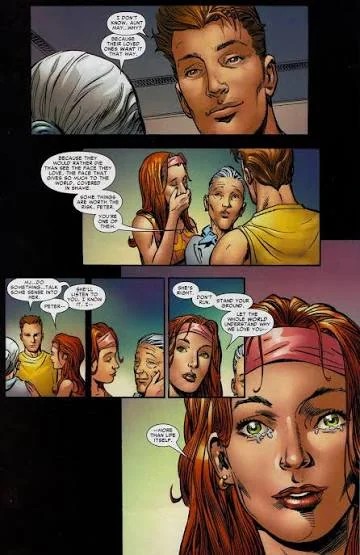
She pointed out that judges, lawyers, senators and other public figures go to work every day knowing that what they do could potentially put the people they love in danger. Yet they don’t hide their faces. Their families accept that risk because they believe the work they do is worth doing.
May had spent years not knowing her nephew was Spider-Man. Now that she knew, she was proud of him, and she didn’t want fear for her safety to determine his decision.
She summed it up with a remarkably simple statement:
“Some things are worth the risk, Peter. You’re one of them.”
That’s probably not the answer Peter—or many longtime Spider-Man readers—would have expected from Aunt May.
It also explains why Peter’s decision can’t simply be blamed on Tony Stark. Tony asked him to reveal his identity, but Peter didn’t walk from Tony’s office directly to a microphone. He went home and talked with his family. And the two people who had the most to lose ultimately supported him.
Peter also had to answer an uncomfortable question for himself: if he supported a law requiring other superheroes to register, could he continue hiding behind his own mask?
He decided he couldn’t.
There’s some painful irony here, although Peter couldn’t possibly have known it. He had spent years protecting his secret identity because he feared that someone he loved might someday be hurt because of him. Aunt May had just told him that some things were worth taking that risk.
Peter Parker had made his decision. This time nobody had to defeat Spider-Man, trick him or rip off his mask.
Peter was going to tell them himself.
Peter Parker Unmasks
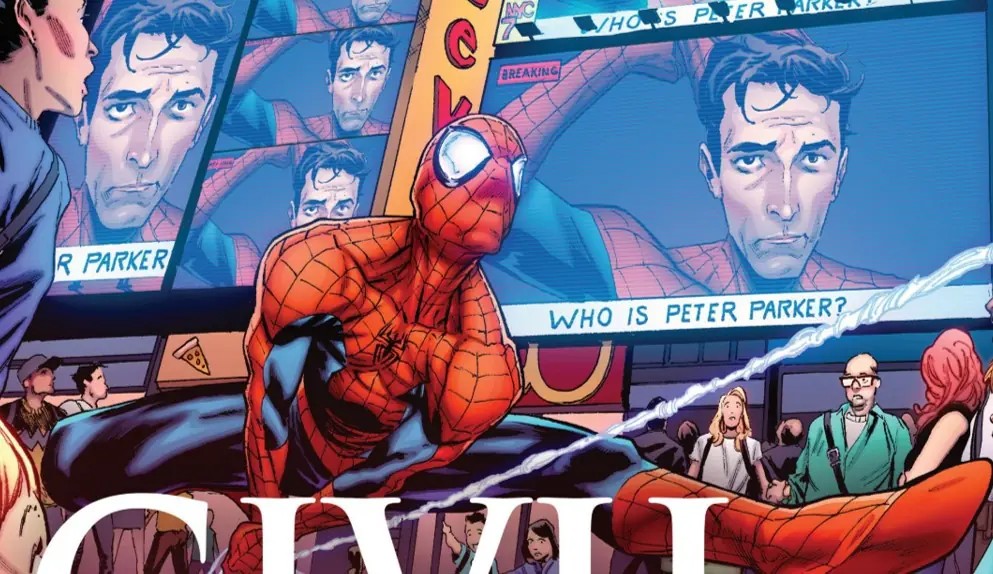
In Civil War #2 (August 2006), Peter Parker did what Tony Stark had asked him to do. He stood before the television cameras and publicly revealed that he was Spider-Man.
Taking off the mask didn’t just make Peter the public face of superhero registration. It changed his life almost immediately.
In Amazing Spider-Man #533 (August 2006), we see some of the fallout. J. Jonah Jameson didn’t find Peter’s revelation nearly as amusing as readers might have found his initial fainting spell. Peter had worked for him for years, selling photographs of Spider-Man while never mentioning one rather important detail about how he managed to get those pictures.
Jonah felt betrayed. He fired Peter and sued him for fraud.
Peter had other problems to worry about. Before revealing his identity, he had made Tony promise that Mary Jane and Aunt May would be protected. Peter had just made the most dangerous secret of his life public, and he was counting on Tony Stark to help keep his family safe.
Then Tony surprised him again. At a press conference, he announced that Spider-Man would be joining a special team assigned to bring unregistered superheroes into custody. Peter hadn’t known Tony was going to make that announcement.
Supporting registration was one thing. Hunting down superheroes who refused to register was something else.
In Amazing Spider-Man #534 (September 2006), Peter found himself fighting Captain America. Steve gave him another opportunity to reconsider what he was doing, but Peter still wasn’t ready to change sides.
Something else happened during that fight that bothered Peter. Tony had been monitoring data from the Iron Spider armor and knew more about Peter’s spider-sense than Peter realized. The suit Tony had given him wasn’t merely protecting him. It was also collecting information about him.
Remember that little detail about Titanium Man that Peter didn’t know?
Peter still didn’t know about it. But we do.
Tony had manipulated events in Washington. He had announced Peter’s role on an enforcement team without warning him. Now Peter was discovering that Tony had been using the Iron Spider armor to learn things about his powers without telling him.
Peter hadn’t turned against Tony Stark yet.
But how many surprises from someone you trust does it take before you start asking questions?
Why Did Spider-Man Begin to Doubt Iron Man?
Peter had already encountered things that made him uncomfortable, but he still believed he had chosen the right side. Then the conflict took a much darker turn.
In Civil War #4 (October 2006), the pro-registration heroes confronted Captain America’s forces. Tony’s side appeared to have Thor with them—a particularly impressive advantage considering Thor had been absent from Earth.
There was just one problem.
It wasn’t Thor.
Tony Stark, Reed Richards and Hank Pym had created a cybernetic clone of Thor, later known as Ragnarok. And unlike the real Thor, this version wasn’t particularly concerned about holding back.
During the battle, Ragnarok blasted Bill Foster—Goliath—with a bolt of lightning that killed him.
Peter was there.
Until then, Peter could tell himself that registration was about accountability and preventing another Stamford. Now a superhero had been killed by a weapon created by the very people Peter had trusted to make registration work.
And Bill Foster wasn’t some anonymous casualty. Peter knew him. The sight of Goliath’s enormous body lying on the battlefield forced Peter to confront just how far this conflict had gone.
Other heroes were beginning to have doubts as well. Sue Storm protected the anti-registration heroes from Ragnarok, and the death of Goliath would become one of the events that helped tear the Fantastic Four apart. We’ll come back to that story another time.
Peter wasn’t ready to join Captain America yet, but he was asking harder questions about Tony’s methods—and he wasn’t satisfied with the answers.
Then Peter learned that captured superheroes were being held in a prison Tony and Reed Richards had constructed in the Negative Zone.
Peter wanted to see it for himself.
Tony agreed to take him.
He probably should have said no.
Prison 42: The Breaking Point
In Amazing Spider-Man #535 (October 2006), Peter finally got his look inside Prison 42.

Tony and Reed Richards had constructed the prison in the Negative Zone to hold superheroes who refused to register. These weren’t supervillains. Many of them were people Peter had fought beside, now being held indefinitely unless they agreed to comply with the Superhuman Registration Act.
Peter was horrified.
This wasn’t what he thought he had signed up for. Registration was supposed to bring accountability after Stamford. Peter had publicly revealed his identity because he believed superheroes shouldn’t be above the law. Now he was looking at a prison outside the normal world where his fellow heroes were being held without anything resembling the kind of due process he thought he was supporting.
Peter demanded answers from Tony. He also confronted Reed Richards, hoping Reed could explain why someone Peter respected would help build such a place.
Reed tried. He explained why he believed registration was necessary and why refusing to cooperate with the government would ultimately make things worse. But Peter wasn’t convinced.
Remember, Peter didn’t begin Civil War opposed to registration. That’s what makes this part of the story so important. He had supported Tony, accepted the Iron Spider armor, revealed his identity and even fought Captain America because he believed he was doing the responsible thing.
Prison 42 was where that belief finally broke.
Peter could no longer convince himself that Tony’s methods were justified by the goal they were trying to accomplish. If supporting registration meant imprisoning his fellow superheroes indefinitely in the Negative Zone, he wanted no part of it.
Peter Parker had chosen Tony Stark’s side.
Now he was going to leave it.
Spider-Man Turns Against Iron Man
In Amazing Spider-Man #536 (November 2006), Peter told Tony he was leaving.
Tony wasn’t about to let him simply walk away. Peter knew too much about the pro-registration side, and once Tony realized he couldn’t change Peter’s mind, the confrontation turned physical.
Tony had one rather large advantage—or at least he thought he did.
He had built Peter’s Iron Spider armor.
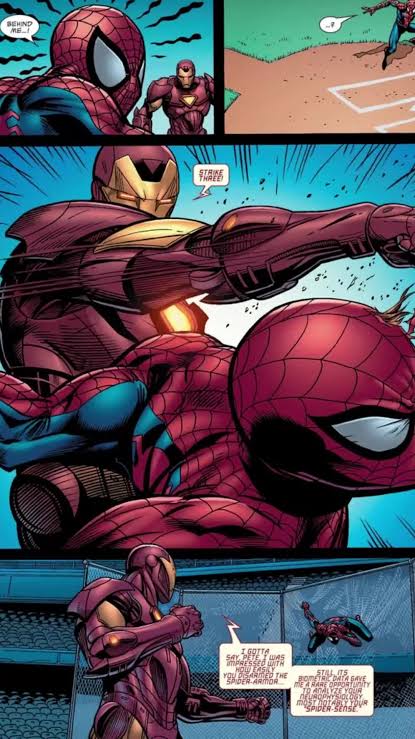
Tony activated a hidden override that allowed him to take control of the suit. Considering everything Peter had recently learned about Tony, that probably shouldn’t have surprised him.
Fortunately, Peter Parker is pretty smart too.
Peter had suspected Tony might have a way to control the armor, so he had already built his own override into Tony’s override. Peter regained control of the suit and escaped.
I have to admit, I love that little detail. Tony Stark had secretly prepared for the possibility that Peter might turn against him. Peter had secretly prepared for the possibility that Tony had secretly prepared for the possibility that Peter might turn against him.
These two really did trust each other, didn’t they?
Peter made it back to Avengers Tower and got Mary Jane and Aunt May out before Tony’s forces could stop them. The three went into hiding, and Peter Parker—the man who had publicly become one of the faces of superhero registration—was now a fugitive from the law he had supported.
But Peter didn’t quietly disappear.
He publicly admitted that he had been wrong. He explained what was happening to captured superheroes and announced that he could no longer support the Registration Act.
That distinction matters. Peter wasn’t switching sides because he suddenly decided Captain America was his friend and Iron Man wasn’t. He had decided that the methods being used to enforce registration violated the very principles that had persuaded him to support it.
Of course, deciding to leave Tony Stark and actually getting safely to Captain America’s side were two different things.
Peter was about to find that out the hard way.
Spider-Man Joins Captain America
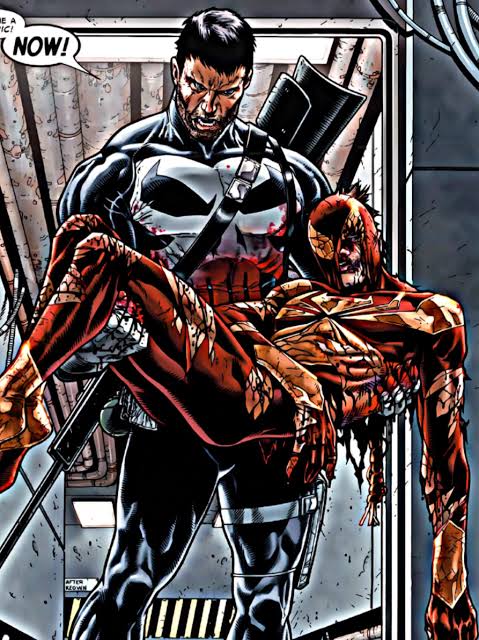
Leaving Tony Stark didn’t mean Peter was safely on Captain America’s side.
In Amazing Spider-Man #536, Peter was intercepted by Jester and Jack O’Lantern, two members of the Thunderbolts who were hunting unregistered superheroes. Already injured from his fight with Tony, Peter was badly beaten and nearly killed.
His rescuer was probably one of the last people Spider-Man would have expected.
The Punisher.
Frank Castle brought the injured Peter to Captain America’s hideout, where Peter finally joined the anti-registration resistance.
In Amazing Spider-Man #537 (February 2007), Peter and Steve Rogers had a chance to talk. Peter asked Cap how he could keep going when so many people—including the government and much of the country—believed he was wrong.
Cap’s answer gets to the heart of why he opposed registration. He told Peter that when you know you’re right about something important, you have to stand your ground even when the whole world tells you to move.
Or, as Cap put it:
“No, you move.”
It’s a great Captain America line, but it’s especially meaningful here because of everything Peter has just been through.

Captain America’s “No, you move” speech takes on new meaning for Peter after he begins questioning his decision to support registration.
For much of Civil War, Peter had been following Tony’s lead. Now, after everything he had seen, Peter had made his own decision—even though it meant standing against the government, public opinion and former friends.
Now Peter was the one standing against the government, public opinion and even former friends because he believed continuing to support registration would be wrong.
He had finally made it to Captain America’s side.
Unfortunately, changing sides couldn’t undo the choice Peter had already made in front of those television cameras.
What Did Spider-Man’s Decision Cost Him?
Peter joined Captain America’s forces for the final battle in Civil War #7 (January 2007), but the conflict didn’t end with either side achieving a clear victory. Captain America eventually realized how much destruction the fighting itself was causing and surrendered.
For Peter, however, surrender didn’t put his life back the way it had been.
He was now a fugitive, hiding with Mary Jane and Aunt May. And although Peter had rejected Tony Stark and registration, there was one decision he couldn’t take back.
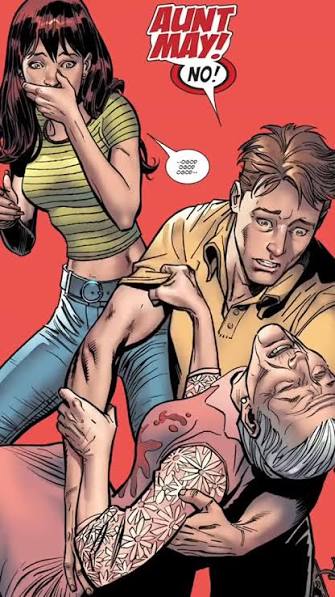
The world still knew Peter Parker was Spider-Man.
In Amazing Spider-Man #538 (March 2007), the Kingpin—Wilson Fisk—decided to take advantage of that information. From prison, Fisk arranged for a sniper to kill Peter Parker.
Peter’s spider-sense warned him just before the shot was fired. He reacted instantly, pushing Mary Jane out of the way.
The bullet missed Peter.
It hit Aunt May.
Remember what May had told Peter before he revealed his identity?
“Some things are worth the risk, Peter. You’re one of them.”
May had understood that revealing Peter’s identity could put her in danger, and she had encouraged him not to let fear for her safety determine what he believed was right.
Now that risk had become very real.
And Peter had already lived through something horribly similar. Years earlier, the Green Goblin had learned his identity and used that knowledge against someone Peter loved. Gwen Stacy died.
Now another enemy knew Peter Parker was Spider-Man, and Aunt May was lying critically wounded because of it.
That’s the cruel irony of Peter’s Civil War story. Switching sides wasn’t the decision that cost him most. By the time Peter realized he could no longer support Tony Stark, the most dangerous decision had already been made.
Peter Parker had taken off his mask.
Civil War was over.
For Spider-Man, the consequences were just beginning.
How Was Spider-Man’s Civil War Story Different in the MCU?
If you first encountered Spider-Man’s role in Captain America: Civil War, the comic-book version may sound almost like a completely different story. Here’s how the two versions compare:
| Marvel Comics | MCU | |
| Peter’s age/status | Adult, experienced superhero; married to Mary Jane | High-school student and relatively new superhero |
| Relationship with Tony | New Avenger and Tony’s protégé before Civil War | Tony recruits Peter specifically for the conflict |
| The registration issue | Peter personally supports superhero registration | Peter has little involvement in debating the Sokovia Accords |
| Secret identity | Publicly reveals that he is Peter Parker | Keeps his identity secret from the public |
| Why he joins Tony | Believes registration is the responsible choice and trusts Tony | Tony recruits him to help capture Captain America and his allies |
| Fights Captain America? | Yes | Yes |
| Changes sides? | Yes. Rejects Tony’s methods and joins Captain America | No. Remains on Tony’s team |
| Major consequence | His public identity puts MJ and Aunt May in danger | Returns home with his identity still secret |
The biggest difference may be Peter’s importance to the conflict itself. MCU Spider-Man is recruited into someone else’s Civil War. Comic-book Spider-Man has to decide for himself what he believes—and then decide whether he has the courage to admit that he was wrong.
That is what makes his change of sides so important.
Want to Read Spider-Man’s Civil War Story?
If you want to follow Peter Parker’s Civil War story for yourself, I’d recommend starting with Amazing Spider-Man #529–538. That’s the run I’ve been reading while putting this article together. Those issues take Peter from Tony Stark’s protégé and the debut of the Iron Spider armor through his decision to reveal his identity, his growing doubts about registration and finally his switch to Captain America’s side.
You’ll also want to read Civil War #1–7 for the larger conflict surrounding Peter’s story. The two series overlap at several points, but Amazing Spider-Man gives us a much closer look at what Peter is thinking as his loyalties begin to change. You can find the entire Civil War reading order, with all the tie-ins right here at Marvel.com.
And if you’re wondering what happened after that bullet struck Aunt May, we’re not finished with this story.
Peter’s search for the person responsible leads directly into Back in Black, and what happens to Aunt May eventually brings us to one of the most controversial Spider-Man stories Marvel has ever published: One More Day.
And that is how we eventually arrive at the comic-book Brand New Day.
We’ll be coming back to all of that.
For now, what do you think? Was Peter right to switch sides once he saw what Tony Stark was doing—or was his real mistake supporting registration and revealing his identity in the first place?
Let me know in the comments.
This is one of the best breakdowns of Spider-Man’s Civil War story I’ve come across. The way you traced Peter Parker’s journey from Tony Stark’s trusted protégé wearing the Iron Spider armor all the way to his break with Iron Man over Prison 42 makes it crystal clear that his switch to Captain America’s side wasn’t impulsive, but a slow, painful unraveling of trust built on too many hidden manipulations. What makes the comic-book Civil War so much more compelling than the MCU version is exactly what you highlighted. Peter personally chose to support the Superhuman Registration Act, publicly revealed his secret identity of his own conviction, and then had the moral courage to admit he was wrong, making his defection feel genuinely earned rather than just a plot device. And the tragic irony you pointed out is devastating: switching sides didn’t cost Peter the most ; it was the unmasking he could never take back that left Aunt May critically wounded, setting the stage for One More Day and ultimately Brand New Day, which is why this arc remains one of the most consequential in all of Marvel Comics history!
Thanks, Leah! I think that element of choice is exactly what makes Peter’s Civil War story so powerful. Tony didn’t simply drag him into supporting registration—Peter genuinely believed he was doing the right thing. That makes his eventual realization about Prison 42 and everything else Tony had kept from him much more meaningful. He has to confront the possibility that he made the wrong choice and then accept the consequences of changing course.
And unfortunately, as you pointed out, some consequences couldn’t be undone simply by switching sides. Peter could leave Tony and join Captain America, but he couldn’t put his secret identity back in the bottle. Aunt May’s shooting makes that painfully clear.
That’s actually where I’m heading next. I’m working on a follow-up about what happens to Peter after May is shot, particularly the Back in Black storyline. Civil War may be over, but for Peter Parker, the consequences are really just beginning.
Thanks again for such a thoughtful comment! Please come back for more superhero fun. And share with your friends!
– Scott
I’ve always found Spider Man’s role in Civil War really interesting because his decision was not an easy one. He was trying to do what he thought was right while also dealing with pressure from people he trusted. Have you ever thought about which side you would choose if you were in Spider Man’s position?
Thanks, Monica! That really is a tough question. I can understand the argument that superheroes with extraordinary powers should have some accountability for what they do. I think I might have been more supportive of registration if heroes could have registered without being required to reveal their secret identities. For someone like Peter, keeping his identity secret wasn’t just about protecting himself—it was also about protecting MJ and Aunt May.
That probably would have made me very hesitant to support Tony’s side from the beginning. And once I discovered Prison 42 and saw that heroes who refused to register were being hunted down and imprisoned in the Negative Zone, I think that would have settled it for me. I would have ended up on Captain America’s side.
Of course, it’s much easier to make that decision from the outside than it was for Peter when his family, friends, and future were all caught in the middle. Thanks for the tough question!
Come back for more superhero fun and share with your friends! Our Spidey drama is not over!
– Scott
Scott, Peter’s change of sides lands because it is not a sudden loyalty flip. He begins with a reasonable belief in accountability after Stamford, then realizes Tony’s version of enforcement has crossed into surveillance, coercion, and imprisonment without meaningful due process.
I think revealing his identity was the more tragic mistake, even though it came from Peter trying to put principle ahead of fear and after consulting MJ and May. Do you think Peter would have reached the same conclusion sooner if he had known about Tony arranging the Titanium Man attack before Civil War began?
Thanks, Aly! That’s a really good question. I do think Peter would have started questioning Tony much sooner if he had known the truth about the Titanium Man attack. Peter trusted Tony as a mentor, so finding out that Tony was willing to manipulate events like that would have raised some serious red flags.
I’m not sure it would have sent Peter straight to Captain America’s side, though. I think Peter still saw some merit in the idea of registration, especially after Stamford. But he probably would have been a lot less willing to simply trust Tony and go along with everything he was doing.
Then, once Peter discovered Prison 42, I think that would have been the final straw either way.
And I agree with you about the identity reveal. Peter could change his mind about registration and switch sides, but he couldn’t take back standing in front of those cameras and telling the world he was Spider-Man. Unfortunately, Aunt May ended up paying the price for that decision.
Thanks for making me think about that one!
– Scott
I enjoyed this article. Spider-Man’s decision to switch sides in Marvel’s Civil War was one of the most interesting parts of the story. His change of heart showed how difficult it can be to choose between following others and standing up for what you believe is right. Great breakdown of his character and the events that led to his decision.
Thanks, Mala. I think that’s one of the things that makes Peter’s story during Civil War so interesting. He didn’t start out believing he was on the wrong side. He trusted Tony Stark and genuinely thought supporting registration was the right thing to do.
What I liked about the story was watching that confidence gradually break down as Peter saw more of what was happening behind the scenes. Eventually, he had to decide that following Tony was no longer something he could justify, even though changing sides would make his life much more difficult.
Unfortunately for Peter, standing up for what he believed was right came with some pretty devastating consequences. That’s where his story gets even darker after Civil War.
– Scott
One thing I kept wondering about was the Titanium Man attack that Tony secretly arranged. Peter never knew about it during Civil War, but did he ever find out later that Tony had manipulated that situation? It seems like learning the truth would have changed the way Peter looked back on their whole relationship. I’m curious if the comics ever showed his reaction to discovering it, especially after everything that happened with the Iron Spider suit and Prison 42.
That’s a great question, Hanna, and I had to go back and do some digging on this one.
Interestingly, Peter actually suspected something was wrong immediately after the Titanium Man attack. He realized that very few people knew Tony would be at the Senate hearing, yet somehow Titanium Man knew exactly where to find him. Peter even started questioning Tony about whether the attack had been arranged, but Tony managed to steer the conversation away from it.
We as readers then see Tony secretly paying Titanium Man, so we know Peter’s suspicions were right. As far as I can determine, though, Peter never actually learns the truth himself. Even later, when he discovers some of the other things Tony has been hiding from him during Civil War, I can’t find a scene where anyone tells Peter that Tony really did arrange the Titanium Man attack.
That makes it even more interesting in hindsight. Peter’s instincts were telling him very early that Tony might not be completely trustworthy, but he chose to trust him anyway. I would have liked to see Peter eventually discover that his original suspicion had been right.
I hope you keep coming back for more superhero fun (and tough questions)!
– Scott
Hello Scott,
I knew the movie version of Civil War, but I had no idea just how different Peter’s role was in the comics. The fact that he willingly revealed his identity to the entire world surprised me, especially knowing how protective Peter has always been of Aunt May and the people he loves. And then to have Aunt May actually support his decision beforehand makes what happens to her later that much worse. I think what stood out to me most was that Peter didn’t simply wake up one day and decide Tony was wrong. Seeing Goliath killed, discovering Prison 42, and realizing how much Tony had kept from him gave his decision to switch sides a lot more weight.
Personally, I think revealing his identity was the bigger mistake. Switching sides was something he could change once he realized he no longer agreed with what was happening, but he could never really take back telling the world who Spider-Man was.
Do you think Peter would have eventually turned against Tony even if he had never seen Prison 42, or was that the one thing he needed to finally make the decision?
Angela M 🙂
Thanks, Angela! I agree with you about the identity reveal. Peter could change sides once he realized he had made a mistake, but he couldn’t simply take back telling the entire world that Peter Parker was Spider-Man. Unfortunately, Aunt May would eventually pay a terrible price for that decision.
As for Prison 42, I think Peter probably would have turned against Tony eventually even if he hadn’t seen it, but it might have taken longer. His doubts were already growing. Goliath’s death had shaken him, he was becoming increasingly uncomfortable with the way unregistered heroes were being treated, and he was beginning to realize that Tony hadn’t been completely open with him.
But Prison 42 was the breaking point. Peter could no longer tell himself that he simply disagreed with some of Tony’s methods while still supporting the larger cause. Seeing heroes imprisoned indefinitely in the Negative Zone without the kind of due process Peter believed in made him realize just how far things had gone.
So I don’t think Prison 42 created Peter’s doubts. It finally made it impossible for him to ignore them.
Thank you for your great questions!
– Scott
What was the real battle that Spider-Man was facing? I only followed this internal struggle when it was shared in the MCU, and in that specific fight he was clearly on the side of Tony Stark, and understandably so. You got someone that approached him as becoming a mentor in a surprisingly formal way that felt actually very reminiscent of a sports recruiter that’s preparing to offer a scholarship.
That’s a good comparison for the MCU version. Tony showing up at Peter’s apartment and recruiting him really does feel a little like a college recruiter showing up to offer a talented young athlete a scholarship. Peter is young, inexperienced, and understandably impressed that Tony Stark wants him on his team.
The comic version is quite different, though, and that’s really the internal struggle I wanted to explore in this article. Peter is already an experienced superhero and has developed a close relationship with Tony before Civil War begins. More importantly, he genuinely believes Tony is right about superhero registration at first. He even agrees to publicly reveal that he is Spider-Man.
The real battle for Peter comes when he gradually realizes that supporting registration also means accepting things he never expected—especially the increasingly harsh treatment of heroes who refuse to register and their imprisonment in Prison 42.
That’s what makes his decision to switch sides interesting to me. He isn’t simply choosing between Tony Stark and Captain America. He has to admit that something he sincerely believed was right has become something he can no longer support.
I hope you come back again for more superhero fun!
– Scott